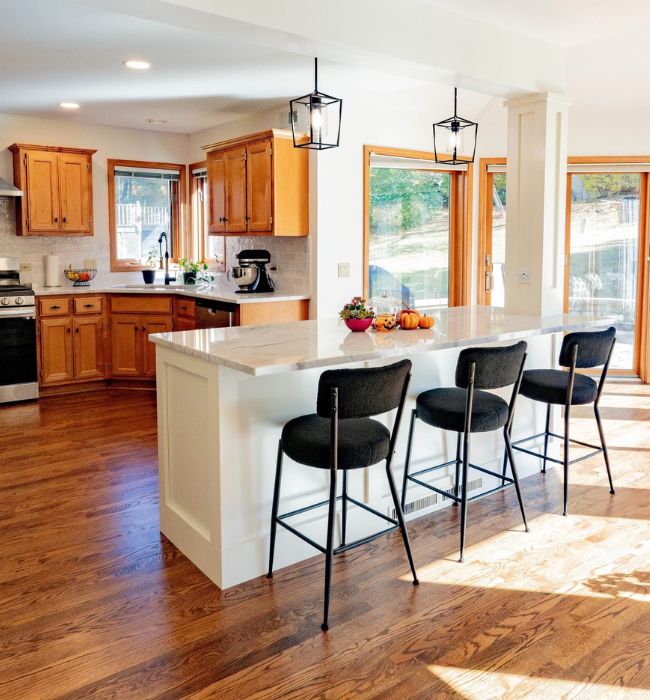
You know your home needs work, but the question hits you right away: where to start when remodeling a home?
If you jump in without a plan, projects drag on, budgets explode, and stress goes through the roof. When you start in the right order, you save time, money, and your sanity.
This guide is written for Fox Valley homeowners who are thinking about roofing, siding, windows, decks and porches, or interior projects like kitchens, bathrooms, and basements. You will walk through clear first steps, from big picture goals to choosing the right contractor, so your remodel feels organized instead of overwhelming.
Start With Your Why: What Do You Want From Your Home Remodel?
Every smart remodel starts with a simple question: what do you want your home to do for you?
Think beyond colors and fixtures. Think about how your home should look, feel, and work for your family. That idea becomes your filter for every choice that follows.
Common projects often tie to simple goals:
- A new roof or siding for curb appeal and weather protection
- Replacement windows for comfort and energy savings
- A new deck or porch for outdoor living
- Interior updates in kitchens, bathrooms, or basements for better everyday use
When you know your “why,” it is much easier to decide what comes first.
Decide What Is Not Working In Your Home Today
Start with what bothers you every week.
Ask yourself questions like:
- Is the kitchen too small or dark?
- Is the bathroom cramped, old, or hard to clean?
- Is the basement wasted space or always a little damp?
- Does the exterior look tired, faded, or have loose siding?
- Do windows feel drafty in winter or stick in summer?
- Is the roof old, missing shingles, or stained from leaks?
Grab a notepad and list your pain points. Do not worry yet about cost or order. Just be honest about what is not working.
That list becomes your starting map. It keeps you from chasing random ideas that look nice on social media but do nothing for your actual home.
Set Clear Goals For How You Want To Live In Your Space
Next, turn those pain points into simple, clear goals.
For example:
- “We want a dry, safe roof for 20-plus years.”
- “We want a low-maintenance exterior that boosts curb appeal.”
- “We want a deck where we can host family cookouts.”
- “We want a brighter, open kitchen for cooking and homework.”
- “We want a cozy, dry basement for movie nights and guests.”
Keep your goals short and tied to real life. Post them on the fridge or save them on your phone. When you talk to a contractor, these goals help them suggest the right mix of roofing, siding, windows, decks, and interior work for your home.
Plan The Basics: Budget, Priorities, And Project Order
Once you know your “why,” it is time to look at the numbers and the order of work.
You do not need exact prices on day one, but you do need a range, a sense of priority, and a rough plan for which projects come first. This is where stress starts to drop, because you see a path instead of a pile of random jobs.
Build A Realistic Budget With A Cushion
Every project has a few main cost drivers. Here are some simple examples.
| Project type | Common cost drivers | Why it matters |
|---|---|---|
| Roofing | Size, pitch, layers to remove, materials | Affects protection and lifespan |
| Siding | Material type, trim details, repairs | Impacts look and energy performance |
| Windows | Number, size, style, frame material | Affects comfort and efficiency |
| Decks | Size, layout, wood vs composite | Changes cost and maintenance level |
| Kitchens | Layout changes, cabinets, appliances | Drives both price and daily function |
| Baths | Plumbing moves, tile choices, fixtures | Impacts comfort and water resistance |
| Basements | Moisture control, walls, flooring | Affects comfort and long-term durability |
Set a budget range, not a single number. Then add a 10 to 15 percent cushion for surprises, like hidden water damage or rotten framing.
As you talk with licensed, insured contractors and get written estimates, you can refine that budget so it fits your home and your goals.
Choose Your Top Priorities So You Spend Money Wisely
You do not have to fix everything this year. You only need to choose what matters most right now.
A simple way to rank projects:
- Safety and protection (roof leaks, soft roofs, damaged siding, bad windows, electrical or structural issues)
- Moisture and health (basement water, mold, poor ventilation)
- Daily use and comfort (kitchen layout, bathrooms, windows, insulation)
- Style and extras (new trim, built-ins, specialty finishes)
Fix leaks and roof problems before you spend money on paint or countertops. Handle failing siding or windows before new interior drywall. Address basement moisture before you finish walls or floors.
Pick one to three main goals for the first phase of work. That focus makes your budget, design choices, and schedule much clearer.
Decide What To Do First: Exterior Vs. Interior Projects
Many homeowners feel torn between a dated kitchen and an old roof. The order matters.
In general, exterior work comes first when:
- The roof is old, leaking, or badly worn
- Siding is cracked, rotting, or pulling away
- Windows are drafty, rotted, or hard to open
- There is visible water damage on ceilings or walls
If the outside is failing, new interior finishes can get ruined. A small leak above a beautiful new kitchen is a fast way to waste money.
Interior work can come first when:
- The roof, siding, and windows are in good shape
- There are no signs of leaks, rot, or structural trouble
- Your main pain point is inside, like a cramped kitchen or outdated bathroom
A good contractor can walk your property, spot risks, and help you decide if exterior or interior work should start the process.
Get Your Home Ready: Inspections, Layout Ideas, And Design Choices
With goals and a basic plan in place, you are ready to prepare your home for real work. These early steps protect your investment and make the remodel smoother.
Check For Hidden Issues Before You Start Tearing Things Out
Before anyone swings a hammer, look for signs of trouble:
- Roof leaks or ceiling stains
- Soft spots on the roof or in flooring
- Warped or damaged siding
- Window rot, foggy glass, or peeling trim
- Foundation cracks or sloping floors
- Damp spots or musty smells in the basement
Ignoring these can ruin new finishes and drive up costs later. In some cases, a professional inspection makes sense. Many contractors can spot problems during a simple walk-through and explain what needs attention before the pretty stuff starts.
Sketch A Simple Plan For Each Space You Want To Update
You do not need design software or an art degree. A pencil sketch on printer paper works.
For each space, think about:
- Where people walk and gather
- How doors and appliances swing
- Where natural light comes from
- Where you want storage and seating
Draw rough shapes for cabinets, islands, showers, or a new deck area. Label them with notes like “grill here” or “homework zone.” These sketches are conversation starters with your contractor, not final blueprints.
Choose A Style And Materials That Fit Your Budget
Next, think about style and materials in a simple way.
You might like:
- Modern and clean
- Classic and timeless
- Farmhouse and cozy
- A mix of a few styles you enjoy
Then match that look with materials that fit your budget and lifestyle.
Some common choices:
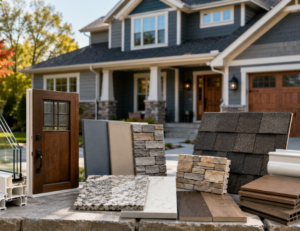
- Roofing: asphalt shingles in standard or impact resistant options
- Siding: vinyl, fiber cement, or engineered wood
- Windows: vinyl or wood clad
- Decks: pressure-treated lumber, cedar, or composite boards
- Interiors: painted or stained cabinets, tile or luxury vinyl flooring, quartz or laminate counters
Aim for a balance of style, durability, and cost. You do not have to chase every trend to end up with a beautiful, long-lasting result.
Find The Right Remodeling Contractor To Guide Your First Steps
You do not have to figure all of this out alone. The right contractor turns your notes and sketches into a clear plan.
Look For Experience, Reviews, And Local Expertise
Choose a contractor who is licensed, insured, and experienced with the type of work you need. For Fox Valley homeowners, that often means roofing, siding, windows, decks, and full interior remodels under one roof.
Look for:
- Strong local experience in your area
- Before and after photos of similar projects
- Clear, detailed customer reviews and testimonials
- BBB accreditation or similar signals of trust
You want someone who understands local weather, older Fox Valley homes, and city or village requirements.
Ask About The Process From Estimate To Final Walk-Through
A good contractor will happily explain how they handle:
- Initial calls and on-site estimates
- Design help or selections for materials
- Scheduling and daily communication
- Permits and required inspections
- Protection of your property during work
- Final walk-through and punch list
Ask who your main point of contact will be and how often you will get updates. A clear process keeps the remodel from feeling chaotic.
Start With A Consultation And Written Proposal
Once you have your goals and a rough budget, schedule a consultation.
Bring:
- Your list of pain points and top priorities
- Any photos of spaces you like
- Rough sketches of layouts or decks
- A list of must-haves and nice-to-haves
After the visit, the contractor should give you a written proposal that covers scope of work, materials, timeline, and price. Review it slowly, ask questions, and make sure it lines up with your goals.
For Fox Valley homeowners, a local team like 212° Construction Group can guide both exterior and interior work so you do not juggle several companies at once.
Conclusion: A Simple Starting Path For Your Home Remodel
You do not need to know every detail to get started, you just need a clear first step. Define what is not working, set a few lifestyle goals, build a real budget with a cushion, then decide whether exterior or interior projects come first. Check for hidden issues, sketch a simple plan, and choose materials that fit your style and wallet.
From there, partner with a trusted local contractor who offers that one extra degree of care, from first meeting to final walk-through. If you are in the Fox Valley area and thinking about a new roof, siding, windows, a deck, or an interior remodel, reach out to 212° Construction Group to talk through your ideas and start shaping a plan that feels doable, clear, and exciting.