When Fox Valley winter shows up, it doesn’t tap politely at the door. It sits on your roof for weeks, refreezes at the eaves, and turns small weaknesses into leaks. If you’re planning a roof replacement, the goal isn’t just a roof that looks good, it’s one that handles snow weight, freeze thaw cycles, and ice dams without becoming a yearly headache.
This guide breaks down the best options for Fox Valley homes, with practical notes on roof shape, slope, and details that matter as much as the shingles themselves. If you’re comparing roofing materials snow loads performance, you’ll leave with clear tradeoffs and a simple way to choose.
Snow load basics (and why material choice is only half the story)
Snow load is the weight your roof may need to carry, including drifting that stacks up in certain areas. Your local building department sets design requirements using code provisions tied to ASCE standards. Don’t guess. Start with your municipality, then cross-check with the free ASCE Hazard Tool for your location and risk category.
A key point homeowners miss: the roof covering (metal, shingles, slate) doesn’t “hold” the snow by itself. The structure does. Your material choice influences how easily snow sheds, how well the surface resists ice and water intrusion, and how long the roof stays tight after years of winter stress.
If you’re worried about sagging, unusual cracking sounds, or heavy drift areas, get a licensed engineer involved. Snow load is not the place for guesswork.
Where snow piles up in Fox Valley roofs (drifts beat “even coverage”)
A flat “blanket” of snow is rarely the real issue. Drifts are. Wind pushes snow into pockets that can overload small sections of roof even when the rest looks fine.
Pay extra attention to:
- Valleys where two roof planes meet
- Lower roofs next to a taller wall (step-downs and two-story transitions)
- Dormers and bump-outs
- Areas behind chimneys
If your home has multiple rooflines, the best winter roof choice isn’t just a material decision. It’s also a detail decision: membranes, flashing, and ventilation need to match the drift risk.
For general background on design snow maps, the Building America snow load map overview helps explain how regions are categorized (local codes can still override map guidance).
Best roofing materials for snow loads in the Fox Valley
Standing seam metal (best snow shedding, strong long-term value)
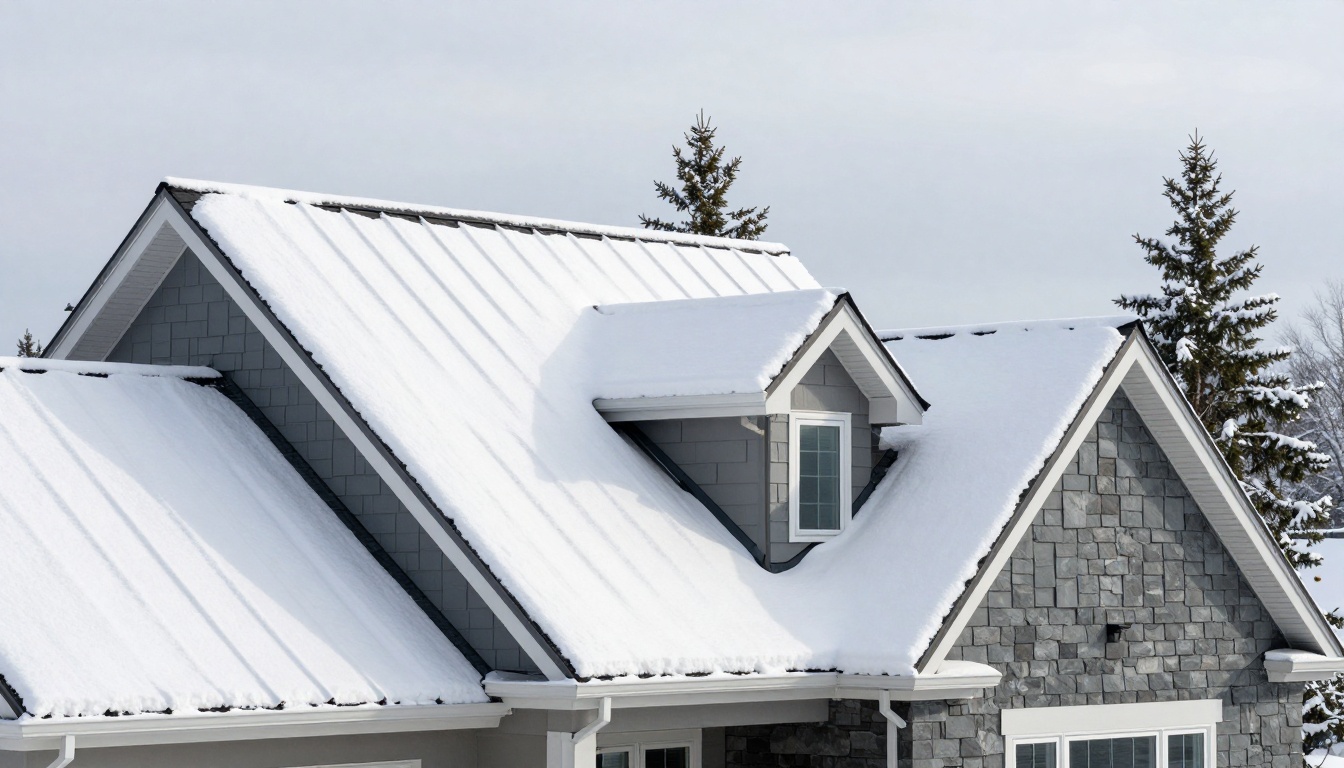
If your roof is steep enough and you want snow to slide off instead of camping out, standing seam metal is hard to beat. The smooth surface sheds snow well, reducing long “loaded” periods on the roof.
What to know:
- Pros: Excellent shedding, long life, fewer granular wear issues, clean valleys when detailed well.
- Watch-outs: Snow can release in sheets. Add snow guards above entries, walkways, and patios. Also confirm proper underlayment and high-heat details at penetrations.
- Best fit: Homes with moderate to steep slopes, or owners who want longevity and fewer winter-related repairs.
For more context on Illinois material considerations, DECRA’s overview for Illinois homes is a useful starting point (even if you don’t choose stone-coated metal).
Architectural asphalt shingles (most common, solid performance when installed right)
Architectural shingles remain the go-to in Fox Valley for good reason: cost, availability, and dependable performance. Under snow, the big risk isn’t the shingle “crushing.” It’s water backing up from ice dams and finding weak spots.
What to know:
- Pros: Great value, many styles, easier repairs, widely supported by local crews.
- Watch-outs: Ice dam protection depends heavily on membranes at eaves and valleys, plus attic insulation and ventilation.
- Best fit: Most homes, especially when budget matters and the roof is properly vented and sealed.
Synthetic slate or shake (premium look, lower upkeep than real wood)
Synthetics can be a smart middle ground: they look high-end but avoid some winter maintenance issues that come with real wood. Quality varies by brand and installer skill, so choose carefully.
What to know:
- Pros: Strong durability, attractive curb appeal, often lighter than natural slate, generally low maintenance.
- Watch-outs: Requires correct fastening and cold-weather installation practices. Some profiles can hold snow a bit more than metal.
- Best fit: Homeowners who want a distinctive look and long life without real wood upkeep.
Cedar shake (beautiful, but winter demands more attention)
Cedar has charm, but Fox Valley winter is tough on it. Snow sitting on textured surfaces can mean more moisture cycling, and that can shorten service life if maintenance slips.
What to know:
- Pros: Classic look, natural insulation value, can last well with expert installation and care.
- Watch-outs: Higher maintenance, higher risk if debris and ice linger, and repairs can be more involved.
- Best fit: Homes where the style is the priority and the owner is committed to upkeep.
If you want a broader Midwest perspective on winter performance, this guide to weather-resistant roofing choices lines up well with what local homeowners see year to year.
The “hidden layer” that matters most: membranes, ventilation, and insulation
A winter-ready roof is like a good winter coat. The outer shell matters, but the layers underneath do most of the work.
Focus on these parts:
- Ice and water membrane at eaves, valleys, and around penetrations. This is your backup when ice dams trap water.
- Quality underlayment for an extra barrier against wind-driven moisture.
- Balanced ventilation (soffit intake plus ridge exhaust) to keep the roof deck colder and reduce melt and refreeze cycles.
- Air sealing and attic insulation to stop heat from leaking into the attic and warming the roof from below.
If ice dams keep showing up, the fix is usually a building-science fix, not a “new shingle” fix.
A quick decision guide (pick the right roof for your house)
Use this as a practical filter:
If your roof is steep and you want snow to slide off: choose standing seam metal, plan for snow guards above entrances.
If your roof is a standard pitch and you want proven value: choose architectural asphalt shingles, then put extra budget into eave membranes and ventilation.
If you want a premium look without real-wood maintenance: choose a reputable synthetic slate or shake, and confirm cold-weather install requirements.
If your home is historic or cedar is part of the design: cedar can work, but plan for regular inspections and quicker repairs after harsh winters.
If you have lots of valleys, dormers, or step-downs: prioritize expert flashing work and ice and water coverage, no matter the material.
Snow removal and ice dam safety (don’t risk a fall)
Snow and ice removal can be dangerous. Avoid climbing onto an icy roof. Falls happen fast, and ladders don’t forgive mistakes.
Safer options:
- Use a roof rake from the ground (follow the tool maker’s instructions).
- Don’t chip ice with sharp tools. You can damage shingles, flashing, and gutters.
- If you see active leaking or large ice dams, call a professional. Steam removal is often the least damaging method.
If you suspect structural stress (doors sticking suddenly, new ceiling cracks, visible sagging), leave the roof alone and call an engineer or qualified contractor.
Conclusion
The best roofing choice for Fox Valley winter isn’t just about looks or price. It’s how the whole system handles snow weight, drifting, and ice backup. Match the material to your roof slope and layout, then insist on the details that stop winter leaks before they start.
If you’re planning a replacement and want it built for snow loads, start by verifying local code requirements, then choose the roof that fits your home, not just your neighbor’s.